
Saving money when you’re living paycheck to paycheck may seem impossible—but with the right strategy, you can consistently save up to $500 every month, even on a low income. This guide is crafted to help you understand where your money goes, cut unnecessary expenses, and maximize savings in a way that feels realistic and empowering. How to Save $500 a Month on a Low Income
Whether you’re earning minimum wage, supporting a family, or managing bills solo, these proven tips and tools will walk you step-by-step through how to build a savings buffer without sacrificing the essentials.
Why $500 Matters—and Why It’s Achievable
Saving $500 per month may sound like a stretch, but let’s break it down. That’s about $16 per day. With some smart changes in your spending and lifestyle, that goal becomes reachable.How to Save $500 a Month on a Low Income
Think of what $500/month can do:
- $6,000 saved per year
- A robust emergency fund in just 6 months
- Debt-free holiday season
- Seed money for investing or business ideas
If you can identify 10 areas where you save $50 each, or 5 areas where you save $100, you’ve hit your target.
Let’s get into the practical steps.
Step 1: Master the Art of Budgeting
Creating and sticking to a budget is the foundation of any savings plan.
Budgeting Tips for Low Income Earners:
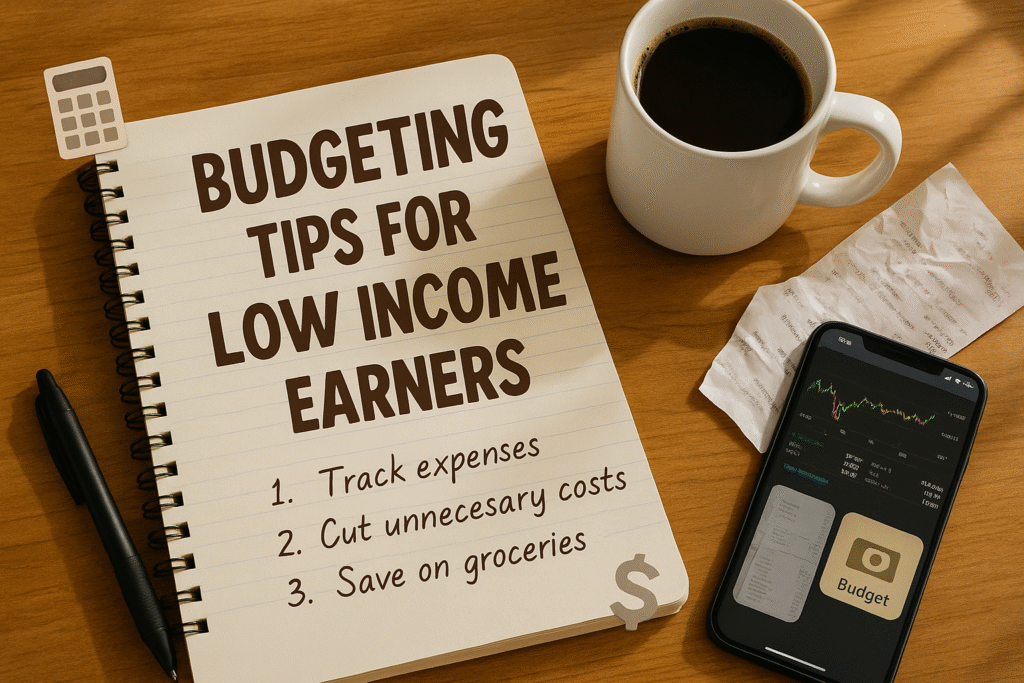
- Use free budgeting tools like Mint, YNAB (You Need a Budget), or even Google Sheets
- Follow the 50/30/20 rule (adjusted for low income): 70% needs, 20% savings, 10% wants
- Budget weekly to track changes more closely
Pro Tip: Always budget based on your net income (after taxes and deductions)
| Method | Pros | Best For |
|---|---|---|
| Envelope System | Visual & hands-on | Cash-only households |
| Zero-Based Budget | Every dollar is assigned | Detailed planners |
| 70/20/10 Rule | Simplified percentages | Beginners |
Budgeting isn’t about restriction—it’s about control. Once you know where every dollar is going, you’ll find opportunities to save.How to Save $500 a Month on a Low Income
Step 2: Cut the Top 5 Budget Busters
Most people overspend in a few key areas. Tackling these gives the biggest return.
1. Food Costs
- Meal prep on weekends
- Shop at discount grocers like Aldi or Dollar Tree
- Eliminate takeout and fast food (can save $150–$200/month)
2. Housing
- Get a roommate
- Negotiate rent renewal
- Apply for housing subsidies if eligible
3. Transportation
- Use public transit or carpooling
- Refinance or downsize your vehicle
- Compare car insurance rates annually
4. Utilities
- Use LED lighting, power strips
- Unplug electronics when not in use
- Sign up for budget billing or hardship programs
5. Subscriptions
- Cancel unused services (streaming, gym, apps)
- Downgrade phone or internet plan
Combined, these categories alone can free up $300–$400/month.
Step 3: Use Government & Community Assistance Programs
If your income is low, there may be benefits you qualify for but haven’t claimed.
Top Government Programs to Leverage:
| Program | Helps With |
| SNAP (Food Stamps) | Groceries |
| Medicaid | Health care coverage |
| LIHEAP | Utility bills |
| WIC | Infant & child nutrition |
| Lifeline | Phone & internet discounts |
| Section 8 Housing | Reduced rent |
Check Benefits.gov to see what you’re eligible for. These benefits can reduce your expenses by $100–$300+ per month, allowing that money to be saved.How to Save $500 a Month on a Low Income
Step 4: Slash Grocery Bills Without Sacrificing Quality
Groceries are flexible and ripe for savings.
Smart Grocery Shopping Tips:
- Plan weekly meals around sales
- Use apps like Ibotta, Fetch, and Rakuten for cashback
- Shop late evenings for markdown deals
- Buy store-brand products
Sample Savings Table:
| Item | Regular Price | Discounted Tactic | Monthly Savings |
| Brand-name cereal | $4.50 | Store-brand ($2) | $10/month |
| Lunch takeout | $8/meal | Home-cooked ($2) | $120/month |
| Soda & snacks | $60/month | Eliminate or reduce | $40/month |
These changes alone can save $150/month or more.
Step 5: Embrace DIY Living
Low-cost living often involves doing more yourself, rather than outsourcing tasks or purchases.
DIY Ideas:
- Cut your own hair or trade services with a friend
- Clean your home instead of hiring help
- Fix minor car issues using YouTube tutorials
- Make homemade cleaning supplies with vinegar and baking soda
DIY not only saves you money but teaches valuable life skills that pay dividends over time. For example, take Maria, a single mom working two part-time jobs. She started learning simple home repair skills through YouTube tutorials and stopped relying on costly handymen for minor fixes. Over a year, she saved over $600 just from doing things herself—and discovered a confidence boost she didn’t expect. Her story shows how small DIY efforts can turn into lasting benefits beyond the wallet.How to Save $500 a Month on a Low Income
Step 6: Reduce Debt and Avoid New Debt
High-interest debt is a money leak. Paying it off is like giving yourself a raise.
Debt Reduction Tips:
- Prioritize high-interest balances (snowball or avalanche method)
- Negotiate lower interest rates or hardship plans
- Use windfalls (tax refunds, bonuses) to reduce debt
What to Avoid:
- Payday loans
- Rent-to-own stores
- Minimum-only credit card payments
Even reducing interest charges can free up $50–$100/month to save instead. If you’re feeling overwhelmed by your debt, know that you’re not alone—and small steps like lowering your interest rate or consolidating balances can make a big difference. It might not happen overnight, but every effort helps you move closer to financial breathing room.How to Save $500 a Month on a Low Income
Step 7: Cancel, Pause, or Share Subscriptions
Streaming services, software tools, premium apps—they add up fast.
Cancel or Share:
- Share Netflix, Disney+, Spotify with family
- Cancel services you haven’t used in 30 days
- Look for bundled options (e.g., T-Mobile with Netflix)
Savings Potential: $50–$75/month
Step 8: Find Free Entertainment and Essentials
You don’t need to spend to live a fulfilling life.
Free & Cheap Alternatives:
- Use the public library for books, movies, internet
- Attend community events and festivals
- Visit local parks or go hiking
- Use Facebook Marketplace or Freecycle for free items
This helps eliminate the $100+/month many spend on entertainment and impulse buys.
Step 9: Maximize Every Dollar with Cashback & Coupons
When you must spend, earn some of it back.
Recommended Tools:
- Rakuten: Cashback for online shopping
- Ibotta: Grocery cashback
- Honey: Auto-applies promo codes
- Upside: Save on gas
Set up accounts once and let them save money passively. Potential return: $20–$50/month.
Step 10: Earn Extra Income Without Overworking
Even a few hours a week can boost your income by $100–$300/month.
Easy Side Hustles:
- Surveys (Swagbucks, InboxDollars)
- Sell old clothes, books, electronics
- Offer pet-sitting or dog walking
- Gig apps: DoorDash, Instacart, TaskRabbit
Make this money your dedicated savings fund.How to Save $500 a Month on a Low Income
Step 11: Automate and Gamify Your Savings
Saving should feel easy and rewarding.
Tools to Try:
- Chime: Rounds up purchases into savings
- Digit: Analyzes your spending and saves what you can afford
- Acorns: Rounds up spare change and invests it
Fun Challenges:
- No-spend weekends
- 52-week savings challenge ($1 week one, $2 week two, etc.)
- “Save your $5 bills” challenge
These systems can help you save $100–$200/month with little effort.
Step 12: Set Realistic and Trackable Savings Goals
Without a goal, it’s easy to lose motivation.
Goal Examples:
- Save $1,000 for emergencies in 90 days
- Pay off $3,000 in credit card debt in 12 months
- Save $6,000 to move out or start a business
Track progress weekly. Celebrate milestones to stay motivated.
Step 13: Cut Monthly Expenses in Half with Comparison Shopping
ou may be overpaying for common services without realizing it.
What to Compare:
- Insurance (auto, renter’s, health)
- Cell phone plans
- Internet services
Use sites like The Zebra, Compare.com, or NerdWallet to shop around.
Sample Savings Table:
| Service | Old Price | New Price | Monthly Savings |
| Auto Insurance | $120 | $70 | $50 |
| Cell Plan | $60 | $30 | $30 |
| Internet | $80 | $50 | $30 |
| Total | — | — | $110/month |
Step 14: Use Credit Wisely—Or Not At All
Credit cards can either be tools or traps.
Smart Usage:
- Only charge what you can pay off in full
- Use cashback cards for groceries or gas
- Never pay interest
If managing credit is hard, use prepaid debit cards or cash envelopes instead. Avoiding interest payments saves money automatically.How to Save $500 a Month on a Low Income
Final Words: Saving $500 a Month Is Possible
How to Save $500 a Month on a Low Income
The path to saving $500 a month doesn’t involve big sacrifices or luck. It involves small, deliberate decisions made every day. When you combine cost-cutting, budgeting, smart spending, and a little extra income—you can reach your goal.
Even if you only start with $100 this month and build your way up, you’re on the right track. What matters most is momentum, not perfection.
Make saving a habit, not a burden. It might feel tough at first, especially when money is already tight—but remember, every dollar you save is a step toward something better. Over time, that $500 a month could turn into a safety net, an opportunity, or even a path to the life you’ve dreamed of. Keep going—your future self will thank you.
FAQs
What are the easiest things to cut from my budget?
Start with dining out, unused subscriptions, and impulse purchases—these often add up quickly.
How can I save on groceries each month?
Use meal planning, buy store brands, and use cashback apps like Ibotta or Fetch.
Is budgeting weekly better than monthly?
Yes, weekly budgets offer better control and help you stay on track with your short-term goals.
What apps help low-income earners save money?
Apps like Chime, Digit, and Acorns automatically save or invest spare change for you.
How do I lower my utility bills?
Use LED lights, unplug devices, and sign up for utility assistance or budget billing plans.
How can I avoid new debt while saving?
Pay cash when possible, avoid credit card interest, and build a small emergency fund.
Is getting a side hustle necessary to save $500?
Not always. Cutting expenses alone can help, but a side hustle speeds up savings.
How long does it take to build a $500 monthly savings habit?
With consistency, most people can build this habit within 1–3 months using the steps in this guide.