In today’s changing economy, making extra income has become more about creativity than traditional jobs. More Americans are searching for flexible, low-cost ways to supplement their income—and one increasingly popular method is flipping items online.
Flipping is the process of buying undervalued or secondhand goods and reselling them at a profit. Thanks to platforms like eBay, Facebook Marketplace, Mercari, and Poshmark, flipping can be done from your phone, at home, with minimal startup cost. Some people start just by selling unused items from around their house, only to realize there’s serious earning potential here. How to Make Money Flipping Items Online
In this guide, we’ll walk through how to get started flipping items in 2025, where to find inventory, how to identify profitable goods, and what steps to take to build this into a side hustle—or even a full-time business.
Why It’s Profitable Now

Shoppers in the U.S. are more budget-conscious than ever. Between inflation and increased awareness about sustainability, many consumers are turning to secondhand platforms for their purchases. This shift makes flipping a timely and practical opportunity.
Combine that with the growing gig economy and people downsizing or decluttering their homes, and there’s a steady flow of items entering the secondhand market. Many flippers share that they started small—perhaps with an old PlayStation, a set of designer shoes, or a vintage kitchen appliance—and within weeks began seeing consistent returns. How to Make Money Flipping Items Online
Best Items to Flip
Not everything is worth flipping. Focus on categories with strong resale value:
Electronics
Smartphones, headphones, smartwatches, and tablets hold value. Older but functional models are in demand, especially for students and budget buyers.
Fashion
Branded sneakers, vintage denim, leather jackets, and handbags sell well. Limited edition sneakers often get snapped up fast and resold for double.
Toys
Vintage action figures, discontinued board games, or unopened LEGO sets are gold, particularly near the holidays. One seller noted they found a retired LEGO Star Wars set at a garage sale for $10 and sold it for $120.
Furniture
Small dressers, shelves, or coffee tables sourced locally can be cleaned up and flipped for 2–3x the price, especially in growing urban neighborhoods.
Books
College textbooks, rare first editions, and language-learning materials can sell quickly. Research before buying, though—some titles are worthless.
Where to Find Items

Thrift Stores
Shop mid-week when new stock hits the shelves. Build relationships with staff if you go often—they sometimes offer tips or early access.
Garage Sales
Arrive early for first pick, or show up late for bargains. Many sellers are open to negotiating especially when they’re packing up.
Facebook & Craigslist
Search for “moving sale” or “everything must go.” These phrases often signal urgency, leading to cheaper deals.
Clearance & Retail Arbitrage
Stores like TJ Maxx, Target, and Walmart offer markdowns. With apps like ScoutIQ or Amazon Seller App, you can check the resale value instantly. How to Make Money Flipping Items Online
Spotting a Good Flip
Use tools to do quick checks:
- eBay Sold Listings – See what similar items actually sold for.
- Google Lens – Identify mystery items or compare values on the spot.
- Amazon Seller App – Get real-time market data and FBA fees.
Also trust your instincts—over time, you’ll recognize patterns. One flipper shared how they learned that certain discontinued kitchen gadgets, like bread makers or espresso machines, nearly always resell fast.
Crafting Listings That Sell
Your listing is your sales pitch. Here’s how to stand out:
Clear Photos
Natural lighting, neutral background, multiple angles. Don’t hide flaws—buyers appreciate transparency.
Smart Titles
Include the brand, item name, color, and condition.
Example: “Dyson V8 Cordless Vacuum – Excellent Condition – Works Great”
Bullet Point Details
Make it scannable:
- Brand: Dyson
- Model: V8
- Battery Life: 40 mins
- Condition: Gently used
Price Strategically
Use comps from eBay or Facebook. Round down to attract attention, or bundle similar items for value.
Where to Source – At a Glance
| Source | Cost Range | Best For | Pro Tip |
|---|---|---|---|
| Thrift Stores | $2 – $20 | Apparel, books, small goods | Visit mid-week for new inventory |
| Garage Sales | $1 – $50 | Home items, collectibles | Go late for better deals |
| Facebook Marketplace | Free – $100+ | Furniture, tech | Use alerts and check daily |
| Retail Arbitrage | $5 – $30 | Clearance & new products | Use barcode apps to check resale value |
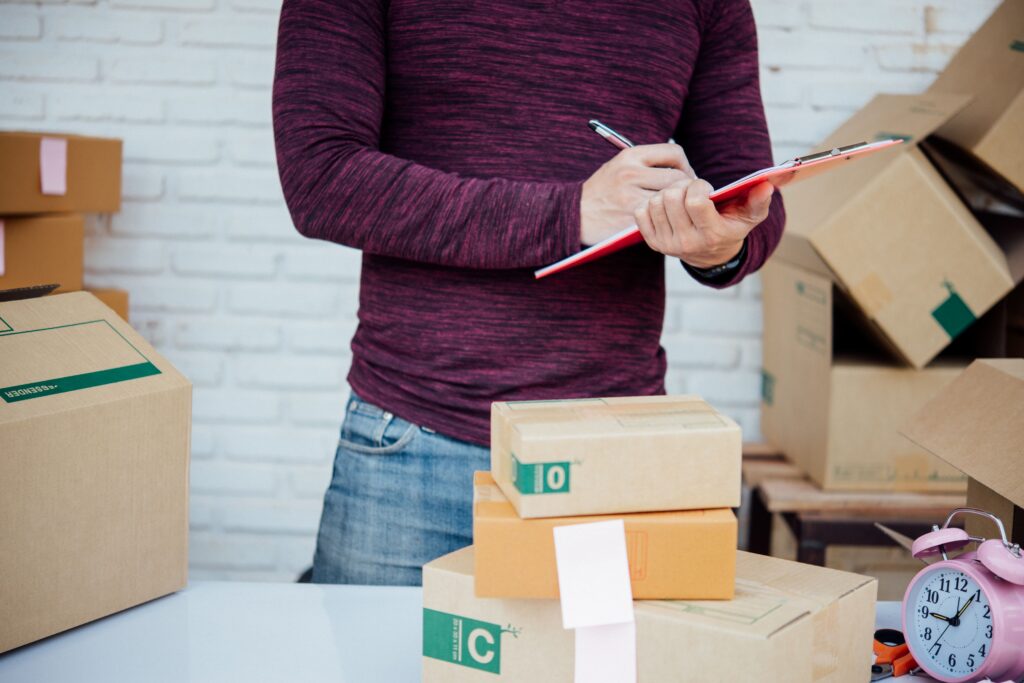
Handling Shipping
Efficient shipping = higher margins. Key steps:
- Reuse shipping materials when possible.
- Print labels via eBay, Mercari, or Pirate Ship.
- Know the item weight—flat rate vs. calculated makes a difference.
- Avoid shipping bulky items—list for local pickup instead.
One seller shared how they initially lost money shipping heavy electronics cross-country. Switching to local-only listings for large goods turned things around. How to Make Money Flipping Items Online
Expected Earnings
You won’t make thousands overnight, but growth happens quickly with consistency:
- Beginner (Side Hustle): $300 – $800/month
- Intermediate: $1,000 – $2,000/month
- Full-Time: $3,000 – $6,000+/month
Many report their first flip as surprisingly motivating—selling an old blender for $40 can spark a deeper interest in resale.
Mistakes to Avoid
- Buying without checking demand
- Ignoring shipping costs
- Overestimating item condition
- Poor packaging or late shipping
- Letting unsold items pile up
Keep an inventory spreadsheet, review your sold items monthly, and refine your sourcing strategy accordingly. How to Make Money Flipping Items Online
Leveling Up
Once you’ve flipped for a few months, consider:
- Niche Down: Specialize in items you enjoy or understand (e.g., gaming gear, vintage fashion).
- Systematize: Use apps for tracking expenses, automate responses, and set up routines.
- Reinvest: Use profits to buy higher-margin inventory.
One long-time flipper found that switching from general merchandise to vintage audio equipment doubled their average sale price, with fewer listings.
Final Thoughts
Flipping online is more than a way to declutter—it’s a real opportunity to earn consistent income, grow a business, and gain financial flexibility. For many, what begins as a weekend side project turns into a scalable venture. How to Make Money Flipping Items Online
It’s not just about selling stuff. It’s about recognizing value where others don’t. That sense of discovery—finding an item others overlook, knowing how to present it well, and watching it sell—is part of the reward.
Start small, stay consistent, and reinvest your knowledge and profits. Whether you’re looking to make a few hundred dollars a month or build something bigger, flipping in 2025 offers a practical path forward.
FAQs
What is flipping and how does it work?
Flipping means buying items at a low price and selling them at a higher price for profit. You can flip products online through marketplaces like eBay or Facebook by finding undervalued goods and reselling them with better photos, descriptions, and pricing.
Can you really make money flipping items online?
Yes, many people earn $500 to $2,000+ per month part-time by flipping. It depends on your sourcing strategy, product choices, and listing skills. Some even scale it into a full-time business.
What are the best items to flip for profit in 2025?
In 2025, electronics, branded clothing, vintage toys, furniture, and books are among the top profitable flipping items. These categories have high demand and good resale value with low upfront investment.
Where can I find cheap items to flip?
You can source items from thrift stores, garage sales, estate sales, clearance aisles, and local marketplaces like Craigslist or Facebook. Start by checking your own home for unused items.
How much money do I need to start flipping?
You can start with as little as $50–$100. Many successful flippers begin by selling unused items from their homes and reinvest the profits into sourcing more valuable inventory.
What platforms are best for flipping items?
Top platforms include eBay, Facebook Marketplace, Poshmark, Mercari, and OfferUp. Each is suited for different items—use eBay for electronics, Poshmark for fashion, and Facebook for furniture or local sales.
How do I know if an item is worth flipping?
Check recent sold listings on eBay, use barcode scanner apps, and research demand online. Avoid buying items with no recent sales or where shipping costs will eat into your profit.
Do I need to pay taxes on flipping income?
Yes, if you earn over a certain amount or flip regularly, your income may be considered self-employment and taxable. Keep records, and consult the IRS website or a tax professional for guidance.
Is flipping considered a business or a hobby?
If you flip regularly and intend to make a profit, it’s typically considered a business. This affects how you file taxes and may require tracking expenses, inventory, and income for IRS purposes.
What mistakes should I avoid when flipping items?
Common mistakes include buying items without checking demand, underestimating shipping costs, or pricing too high. Always research before purchasing and package items well to avoid returns.
Can I flip items part-time while working a job?
Absolutely. Flipping is a flexible side hustle that can fit around your work schedule. Many flippers start part-time and scale up as they gain experience and profits.
How long does it take to sell a flipped item?
It depends on the item and platform. Popular products may sell within a day or two, while niche items could take weeks. Using clear photos, competitive pricing, and optimized listings can speed up sales.
Do I need special skills to start flipping items?
No special skills are required. Basic internet skills, attention to detail, and willingness to research are enough to start. Over time, you'll learn how to spot deals and improve listings naturally.
How do I ship flipped items efficiently?
Use lightweight packaging, recycle boxes, and print discounted shipping labels through platforms like eBay or Pirate Ship. Consider local pickup for bulky or fragile items to avoid high shipping fees.
Can I flip free items for profit?
Yes! Many people give away items on Facebook, Craigslist, or Freecycle. With a little cleaning or repair, these items can be resold for a good profit, making them ideal for beginners.